
What Is a Sialogram? Uses, Procedure, Results, Risks, and Modern Alternatives


Saliva assists in chewing food, swallowing and maintaining a clean and comfortable mouth. Everyday activities such as eating or talking can begin to become hard when you do not produce enough saliva in your mouth.
Most individuals do not pay attention to such signs as dry mouth, swelling around the jaw, or mouth or face pain. These symptoms might be insignificant, yet they can indicate that there is an issue with the salivary glands.
To find the cause, a doctor may use a test called a sialogram is dental condition. This test shows how saliva flows through the glands and helps spot blockages or other issues. In some cases, other tests may work better, but a sialogram can be very helpful when a blockage is suspected.
What Is a Sialogram?
A sialogram is a special X-ray test that helps doctors see how saliva moves through your salivary glands. It is an easy method of determining whether something is obstructing or hindering the speed of saliva.
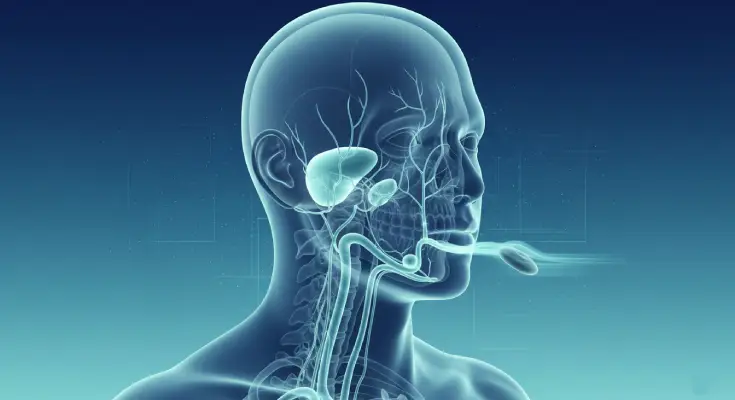
Your mouth has salivary glands that make saliva. The main ones are:
- Parotid glands near your ears
- Submandibular glands under your jaw
- Sublingual glands under your tongue
Saliva travels through tiny tubes called ducts from these glands into your mouth. These tubes may be blocked, swollen or damaged sometimes.
During a sialogram, a doctor puts a safe contrast dye into the ducts. This stain is visible on the X-rays, which assists physicians to map the movement of saliva.
A sialogram can show:
- Blockages in the ducts
- Swelling or stones in the glands
- Structural problems in the salivary system
But it is not able to reveal everything. It might not detect very small infections or certain tumors. Nevertheless, it provides a clear image of the functioning of the glands and ducts.
Why Would a Doctor Recommend a Sialogram?
A doctor may suggest a sialogram if you have symptoms that could mean your salivary glands are not working properly. These include:
- A dry mouth that does not go away
- Swelling in your face or jaw
- Pain when eating or chewing
- Repeated infections in the salivary glands
- A bad taste or bad breath that is not caused by your teeth
A sialogram helps doctors find out what is causing these problems. It can detect:
- Blocked or narrow salivary ducts
- Salivary stones (hard deposits called sialoliths)
- Chronic inflammation of the glands
- Infections, either bacterial or viral
- Tumors or structural problems in the glands
- Autoimmune conditions that reduce saliva, like show-grens syndrome
This test helps the doctor figure out the exact cause so the right treatment can be given.
What to Expect During a Sialogram?
A sialogram is a simple examination that assists the physician in observing the functioning of your salivary glands and ducts. It can be made easier and less stressful by knowing what is going to happen before, during and after the procedure.
Before the Procedure
Before a sialogram, you may need to remove any metal objects like earrings or dentures so they don’t interfere with the X-ray. It’s very important to tell your doctor if you have any allergies, especially to iodine or contrast dye. You should also inform them if you are pregnant, breastfeeding, or have an infection, as extra care may be needed to keep you safe.
During the Procedure
During the procedure, you will lie down comfortably while the doctor or technician sets up the X-ray machine. Sometimes, a sour liquid like lemon juice is given to help your salivary glands release saliva. A small tube called a catheter is gently placed into your salivary duct, and contrast dye is injected to make the ducts and glands visible on the X-ray. The doctor then takes images to see how saliva flows and to check for blockages or other problems.
After the Procedure
The contrast dye can be released in your mouth after the sialogram. It is safe and it can be bitter. You may have a little swelling or some little discomfort, and it normally subsides very soon. It is possible to eat and drink normally after the test. The whole process usually lasts around half an hour and the pictures allow your physician to know how your salivary glands are performing and whether they require treatment or not.
Does a Sialogram Hurt?
The major concern of many individuals is that a sialogram is painful, whereas the majority of patients experience mild pain. When the small tube is inserted into your salivary duct or a contrast dye is injected, you may be able to feel some pressure, although that is not painful in most cases.
In case it is painful, the physician can apply local anesthesia to numb the area. Others experience some slight swelling or unusual taste in their mouth after which is normal and disappears shortly. In general, the process is quite tolerable and most of the patients do not feel much pain.
Understanding Sialogram Results
Your doctor normally takes several days to view and read the images following a sialogram. The radiologist carefully examines the appearance of the salivary glands and ducts in search of obstructions, swellings, or abnormal formations.
Sometimes typical cases can be salivary stones, which can obstruct the passage of saliva; any infection that causes swelling and pain; the destruction of the ducts by tumors or abnormal growths; and alterations due to autoimmune diseases that inhibit the production of saliva.
Once the results are reviewed, your doctor can decide the best treatment. This may include medications, procedures to remove stones or relieve blockages, or further tests if something more serious is suspected. The sialogram helps your doctor understand the problem clearly so they can choose the right care for you.
Risks and Safety Considerations
A sialogram is generally safe, but like any medical test, there are some risks to be aware of.
- Radiation exposure: The X-ray involves a small amount of radiation. Pregnant or breastfeeding patients should be extra cautious and discuss alternatives with their doctor.
- Temporary pain or swelling: Mild discomfort or slight swelling around the salivary glands can happen but usually goes away quickly.
- Infection risk: Rarely, inserting the tube can cause an infection. Seek medical help if you notice prolonged pain, swelling, bleeding, or fever.
- Allergic reactions: Some people may react to the contrast dye or iodine. Doctors usually check for allergies beforehand to prevent complications.
Doctors minimize risks by using careful technique, checking patient history, and providing guidance before and after the procedure to ensure safety.
What Happens After Diagnosis?
After examining the outcome of the sialogram, your physician will advise on how to cure the issue accordingly. Treatments can involve antibiotics in case of an infection or anti-swelling and pain medications.
There are other problems such as salivary stones or blockages which can be treated using minimum invasive operations in order to remove the obstruction without causing significant surgery. In severe instances, surgery might be necessary to fix the broken tissues or to excise tumors.
After treatment, ongoing oral and salivary gland care is important. This includes staying hydrated, practicing good oral hygiene, and following any instructions from your doctor to keep your salivary glands healthy and prevent future problems.
Conclusion
A sialogram is a useful test when a doctor suspects blockages, stones, infections, or other problems in the salivary glands. It helps show exactly what is happening inside the ducts and glands.
Not everyone needs a sialogram, and the right test depends on your symptoms and medical history. Each diagnosis is unique, so it’s important to let your doctor decide what’s best for you.
If you notice persistent dry mouth, swelling, pain, or other unusual symptoms, talk to your healthcare provider about whether a sialogram or another imaging test is the right choice for your situation.
FAQs
1. How is a sialogram performed?
A small tube is inserted in your salivary duct, and contrast dye is injected so that it can be seen on X-rays as saliva flowing. In some cases, sour juice is taken to get the saliva flowing.
2. Is a sialogram painful?
Most people only experience slight discomfort or pressure. It is normal to experience some swelling or a bitter taste, and local anesthesia may be used if necessary.
3. What should I expect after a sialogram?
There might be a hint of swelling or a bitter taste. Eating and drinking are typically normal, and your doctor will evaluate the findings to determine how best to treat you.
4. Who does the sialogram?
The test is carried out by a radiologist or qualified radiology technician, who also reads and interprets the images.
5. Are there risks with a sialogram?
Although there aren’t many risks, they can include minor radiation exposure, allergic reactions to the dye, swelling, infection, and mild pain.
6. Which career is better, radiographer or radiologist?
Radiologists are medical professionals who diagnose and interpret images, whereas radiographers conduct imaging tests and interact directly with patients. Although they need more training, radiologists typically make more money.

Dr. Alexander Heifitz (Author)
Dr. Alexander Heifitz is the founder of 65 Broadway Dental in NYC, where he combines advanced dental expertise with a patient-first approach. He specializes in cosmetic and restorative treatments such as dental implants, veneers, Invisalign, and smile makeovers, helping New Yorkers achieve both oral health and confidence.

Booking An Appointment
Looking for a reliable dentist in Downtown NYC? Whether you need a routine cleaning, urgent care, or a full smile transformation — we’ve got you covered. We accept most PPO insurance plans and offer flexible scheduling.
+1 (212) 430-3888
Call for appointment
Walk-ins Welcome / Same-Day Appointments Available

Related Blogs
What Is a Sialogram? Uses, Procedure, Results, Risks, and Modern Alternatives
Learn what a lip tie is, its causes, signs in babies and older kids, and simple ways to help with feeding, oral care, and healthy gums.
Read More
What Is Diastema? Causes, Treatments & Should You Fix Your Gap
Diastema is a gap between teeth. Learn what causes it, when it’s normal, and how treatments like braces, bonding, or veneers can fix it.
Read More