
Teeth Grinding (Bruxism): Causes, Effects & Treatment Solutions


Grinding of teeth, also known as bruxism, refers to a process where you squeeze or rub your teeth on each other without realizing it. Teeth grinding can happen both during the day when you’re awake or at night while you’re asleep. Most of them do not even realize when they are doing it.
At times, teeth grinding may lead to such issues as sore jaws, headaches, or bruised teeth. It can be more frequent due to stress, fatigue, or crooked teeth.
The positive aspect is that it can be prevented. The treatment of teeth grinding will save your teeth and make your jaw feel better. Such things as special mouth guards, simple exercises, or stress care can help a lot.
What Is Bruxism?
The medical term Bruxism means when one grinds or clenches his or her teeth either intentionally or unintentionally. It does not work like regular chewing or conversing since it tends to occur without your attention.
Anyone will move his or her jaw at times, such as when you eat, yawn, or talk. That’s normal. However, over-grinding your teeth may injure your teeth, jaw, or even your head. It is at that point that it turns into bruxism.
Bruxism may occur either in the day or at night. It is referred to as sleep bruxism when it occurs during sleeping. This is why it is not only a dental issue (as it may wreck your teeth) but also a sleep issue (as it occurs when you are sleeping and you do not even know about this).
Although this may not seem like much, bruxism may lead to larger issues with time as long as it is not treated.
Types of Teeth Grinding
Teeth grinding generally falls into two categories: one that happens while you’re awake, and another that occurs during sleep. Both can hurt your teeth and jaw if they happen often.
Awake Bruxism (Daytime Teeth Clenching)
Awake bruxism happens when you find yourself clenching or grinding your teeth during the day. Most people don’t even realize they’re doing it.
It usually happens when you’re:
- stressed
- worried about something
- or deeply focused on work, school, or a screen
You might be typing, studying, or thinking hard… and your jaw is tight without you noticing.
Some common reasons this happens include:
- feeling stressed or anxious
- concentrating for long hours
- jaw tension from poor posture or bad biting habits
The tricky part?
Daytime bruxism is easy to miss.
You may notice:
- a sore or tired jaw
- headaches, especially near the temples
- teeth that look a little worn down
At first, these signs feel small, so most people ignore them.
But over time, they can turn into bigger problems if nothing is done.
Sleep Bruxism (Night-Time Teeth Grinding)
Sleep bruxism occurs when one is sleeping. You bite your nails or clench your teeth without being aware that you are doing it, usually when you are in deep sleep phases.
You can tighten your jaw muscles during sleep, and this can wear away teeth or leave your jaw sore in the morning. Since you do not feel it, the first people who will realize that noises are loud and grating at night are your partners or relatives.
Other sleeping problems can also be associated with sleep bruxism, such as snoring or rudimentary sleep. In the long run, it may have an impact on your teeth and even the quality of your sleep.
How Common Is Teeth Grinding?
Bruxism or teeth grinding is not as unusual as it is perceived by most individuals. It may be taken by both adults and children, but it usually becomes apparent only when suffering or when teeth have become worn.
Research indicates that approximately 8-15 percent of the adult population grinds its teeth during sleep, and children have even more frequently ground their teeth. The most shocking fact is that a good number of individuals are unaware of their bruxism, as it may occur silently, mostly when one is asleep.
The symptoms of bruxism, such as soreness of the jaw, headaches, or tooth wear, are occasionally confused with other issues. That is why bruxism is not adequately diagnosed; individuals do not relate their symptoms to teeth grinding.
Some risk factors make teeth grinding more likely, including:
- High stress or anxiety levels
- Poor sleep or sleep disorders
- Crooked teeth or a misaligned bite
- Caffeine, alcohol, or smoking habits
- Certain medications
Even though it’s common, knowing the signs and risk factors early can help prevent damage and make teeth grinding treatment easier and more effective.
What Causes Teeth Grinding?
Many things can lead to teeth grinding, or bruxism. It’s usually not just one cause; it’s a mix of habits, health, and lifestyle.

Stress, Anxiety, and Emotional Factors
Stress is the greatest cause of bruxism. Whenever one is anxious, worried, or tense, they tend to clench their jaw or grind their teeth unconsciously. Your jaw muscles may tighten even when you believe that you are relaxed. Grinding teeth may occur more frequently and be triggered by mental health problems, such as anxiety or depression.
Sleep Disorders and Medical Conditions
Teeth grinding can also be induced by some sleep problems. To illustrate, sleep apnea, the condition whereby you begin to stop breathing at night momentarily, can lead to sleep bruxism. Several other medical conditions, such as some brain or nerve disorders, or even digestive disorders, can also predispose the person to grinding teeth.
Bite Problems and Dental Misalignment
In some cases, bruxism may be a result of your teeth or bite. Crooked teeth or teeth that are missing can cause you to work harder than you should with your jaw. In the long run, this may result in grinding teeth all the time, particularly at night.
Lifestyle Habits That Worsen Teeth Grinding
Bruxism can be exacerbated by certain habits. Excessive consumption of caffeine, alcohol, or smoking may enhance teeth grinding. Sleeping poorly or having excessive screen time in bed may also cause your jaw to tighten and result in increased grinding.
Genetics and Family History
Sometimes, bruxism is hereditary. You may also be more inclined to grind your teeth if you have some parents or siblings who do. Genes may be involved in the way your jaw muscles function and the way your teeth are arranged.
Signs and Symptoms of Grinding Teeth
Sometimes it is not easy to tell whether you are grinding your teeth, or bruxism, because it may be something that occurs without your knowledge. Nevertheless, certain red flags should be observed.
Dental Symptoms
- Teeth may look worn down, chipped, or flattened
- You might notice tooth sensitivity when eating hot, cold, or sweet foods
- Cracks or small fractures can appear on your teeth over time
Muscle-Related Symptoms
- Jaw pain or stiffness, especially in the morning
- Headaches, often starting at the temples
- Soreness in your face or neck muscles from tension
Symptoms Others Might Notice
Sometimes, the people around you notice that you’re grinding your teeth before you even do, kind of ironic, right?
Your partner might hear those loud grinding noises at night, or maybe your family notices your jaw looks tense or tight first thing in the morning. Honestly, it can be subtle, so it’s easy to miss.
You might wake up with a headache or a sore jaw and think, “Ugh, just another morning.” But the truth? It could be your teeth quietly taking a beating while you sleep.
Catching these signs early really helps. It gives you a chance to fix the problem before the grinding leads to more serious issues, like worn teeth or jaw pain. And trust me, dealing with it sooner makes life a lot easier.
Effects of Long-Term Teeth Grinding
If you don’t deal with teeth grinding, it can cause some serious problems over time. And I don’t just mean your teeth, your jaw, gums, and even your sleep can start feeling the effects.
Tooth Damage and Enamel Wear
Grinding your teeth a lot can slowly wear down your enamel, which is the hard outer layer that keeps your teeth safe. And honestly, once that starts wearing away, things can snowball.
This might lead to:
- Cracked, chipped, or flattened teeth happen more than you think
- Higher risk of cavities, because enamel is your first defense
- Bigger dental work later, like root canals or crowns, yeah, nobody wants that
At first, it might feel minor. A little soreness, a tiny chip… nothing scary. But over months or years, the damage really adds up. And trust me, catching it early makes a huge difference.
Jaw Disorders (TMJ/TMD)
Bruxism can put a lot of strain on your jaw joint, called the temporomandibular joint (TMJ). Over time, this can lead to:
- Jaw pain from grinding teeth
- You might notice a clicking or popping sound when you open or close your mouth.
- Jaw locking or difficulty moving your jaw
- Pain in the face and around the ears
Gum Problems and Bone Loss
Excessive pressure from grinding can also harm your gums. You might notice:
- Gum recession (gums pulling away from teeth)
- Weakening of the bone that holds your teeth in place
Headaches, Facial Pain, and Sleep Issues
Bruxism can make your head and face sore. Common effects include:
- Morning headaches
- Facial pain or stiffness in the jaw and neck
- Trouble sleeping or feeling tired during the day because sleep is disturbed
Long-term effects of teeth grinding can add up, which is why it’s important to notice the signs early and get proper teeth grinding treatment.
How Dentists Diagnose Bruxism
The dentists may often just look at your teeth and jaw and know whether you are grinding your teeth or if you are bruising. In a dental examination, they examine the presence of such conditions as worn, broken, or flattened teeth, sensitive areas or damaged enamel. They also examine the muscles of your jaw to determine whether they are tight or painful as a result of constant clenching or grinding.
Dentists can inquire about your habits and symptoms to assist in an appropriate diagnosis of bruxism. They may enquire, do you experience jaw pains, headaches, or sensitivity of your teeth? Has somebody ever told you that you grind your teeth at night? They can also inquire about your stress levels, sleeping habits, and any other medications or health issues that might have an impact on your teeth.
Dentists may also prescribe a sleep study in areas where night grinding appears to be serious or appears accompanied by other sleep issues. This assists in the determination of the frequency of grinding at night and determines whether it influences your sleep quality. The early diagnosis of bruxism is significant since the timely diagnosis of teeth grinding can help avoid severe damage to the teeth and jaw issues.
Teeth Grinding Treatment Options
When you grind your teeth or clench your jaw, there are solutions on how to save your teeth and relax. The treatment of teeth grinding is aimed at preventing damage, jaw pain, and better sleep. Treatments may include simple home solutions, dental appliances, or professional treatment depending on the severity of your bruxism.
Night Guards and Mouth Guards for Teeth Grinding
The wearing of a night guard or mouth guard is one of the most popular treatments for teeth grinding. Such gadgets cover your teeth against the grinding and clenching stress, particularly during sleep. Home-made guards provided by a dentist tend to be better fitting and more durable than those available over the counter. Night guards are commonly of great help to people who grind their teeth extensively, or who have worn teeth or cracked teeth, or experience jaw pain.
Stress Management for Bruxism
Bruxism is a major trigger of stress and anxiety. To prevent grinding of teeth, one can learn how to relax. Jaw tension can be reduced by using simple methods such as inhalation of deep breaths, meditation, stretching, or visiting a counselor. This is an effective component of bruxism treatment as well because your jaw muscles can be trained using behavioral therapy and daily exercises, so that your jaw muscles stay relaxed.
Bite Correction and Dental Procedures
In other cases, bruxism is aggravated by misaligned teeth or a bad bite. Dental treatments can be used in these. Orthodontic therapy will be able to straighten out the teeth, and restorative surgery or adjustment of the jaws could make your mouth work more comfortably. Bite therapy will ease tension on your teeth and your jaw, preventing more grinding.
Medications and Advanced Treatments
In severe cases, one can use medications or advanced treatments. Muscle relaxants of the short-term type may relieve tension in the jaw, and Botox injections are sometimes applied to relax inappropriately contracted muscles of the jaw. These alternatives would normally be taken into consideration when other forms of treatment for teeth grinding are not effective.
Home Remedies and Self-Care for Teeth Grinding
Simple methods exist that you can use at home to take care of your jaw and teeth, along with professional treatment. It can be spent on some home remedies and self-care tips to become more helpful to decrease jaw tension, relieve discomfort, and provide teeth grinding relief, even for those individuals who grind their teeth at night.

Jaw Exercises and Stretching
Another of the easiest ways of relieving yourself of grinding teeth is by opening your jaw and engaging in a little exercise. Such simple exercises as opening and closing your mouth slowly, moving your jaw side to side, or massaging your jaw muscles can be performed. These regulars will serve in relieving the soreness, as well as in diminishing the possibility of grinding your teeth at night.
Lifestyle Changes to Reduce Bruxism
Even slight changes in the way of living will suffice. Tension in the jaw can also be decreased by lowering caffeine or alcohol, stopping smoking, and eliminating chewing gum. The contrast between teeth grinding during the night and quitting lies in coping with stress-related techniques of relaxation, healthy sleeping schedule, and spending less time on the screen at bedtime.
What Home Remedies Can and Cannot Fix
Home remedies are able to alleviate the symptoms and prevent jaw pains or mild tooth wear, but will not correct severe damage. You will still need a dentist to professionally grind your teeth in case they are cracked, chipped, or worn out, or because your jaws are in severe pain. Home care should be used in combination with other interventions, such as night guards or stress management skills.
Teeth Grinding in Children
Teeth grinding, also known as pediatric bruxism, is rather prevalent in kids. There are numerous children who grind their teeth at night, particularly when they are teething or outgrowing their baby teeth with permanent ones. Children also grind teeth during the day sometimes, it is mostly when they are concentrated, angry, or stressed.
In the majority of cases, children do not harm their teeth, and the habit disappears by itself when they get older. Parents must, however, be alert when the grinding is loud, frequent, or causing jaw pain, headache, and worn teeth. These might be indicators that the bruxism of the child requires the attention of the professional.
In most instances, dentists adopt a surveillance measure among children, which is observing whether the habit naturally stops. In case of any indication of tooth wear, jaw pain, or insomnia, an easy intervention of teeth grinding prevention methods, such as a protective night guard or easy stress eliminating exercises, can be prescribed. Early treatment can avert the further development of the dental issues, and it can make your child comfortable.
When to See a Dentist for Teeth Grinding
It is also advisable to visit a dentist in case you have any bruxism symptoms that cause pain or damage. The red flags include the jaw is sore, you have a morning headache, the teeth are worn or cracked, the teeth are sensitive, and you find it difficult to open and close your mouth. The partner can also be able to see night sounds of loud grinding, which can be considered a reason to seek help.
Dental grinding treatment at the early stages would be important since it would prevent irreparable harm. With early diagnosis of bruxism, your teeth will not crack or wear out, jaw pains will be reduced, and other serious problems connected with the bite or gums will be avoided. Even though the symptoms might not appear to be that harsh, visiting a dentist can ensure you will not have any more serious issues in the future and will feel more comfortable both during the day and night.
Can Teeth Grinding Be Prevented?
Even though in all cases of bruxism, teeth grinding cannot be avoided, it may be prevented, or the rate of its appearance may be reduced. Stress management is one of the most important plans. Rudimentary techniques like deep breathing, meditation, exercise, or daytime breaks can assist in your jaw opening and decreasing the chances of clenching/grinding of your teeth.
Good sleep habits also prevent Bruxism. Spending nights grinding your teeth can be minimized through bedtime and waking up in the morning at the same time, keeping your bedroom dark and relaxing, and avoiding caffeine and screens at night.
Regular visits to the dentist are another crucial feature of prevention. A dentist would have the capacity to detect the first signs of bruxism, prescribe protective devices, such as night guards, and give you prescriptions on how to save your teeth and jaw. A set of such plans might guarantee that your teeth are not only safe but also that the pain that accompanies bruxism does not exist.
Care at 65 Broadway Dental
Your smile has been made at the 65 Broadway dental office. Our team aims at caring about your teeth and gums by being gentle and providing full care so that you stay healthy over the years. When using same day dental crowns, we make a plan that suits you, your comfort, and your long-term oral health, such that you can walk out with a strong, natural-appearance crown and smile with confidence on a daily basis.
Conclusion
As a result of untreated Bruxism, or teeth grinding, there may be pain in the jaw, eroded teeth, a headache, and permanent dental issues. The positive is that, more than basic home treatments and stress management, there are various forms of teeth grinding treatment outlined as night guards, stress reduction, and dental treatment. Being aware of the signs at an early age and getting an appropriate diagnosis, this would prevent severe damage and also make treatment a lot more convenient.
In case you experience some of the symptoms, such as soreness of the jaw, morning headache, or teeth that are worn out, do not delay. Make an appointment to treat bruxism in order to save your teeth and jaw, alleviate pain, and avoid complications in the long-term. Young dental care can go a long way towards your oral health and general comfort.
FAQs
1. What is the cause of grinding teeth?
The process of grinding or bruxism of the teeth most commonly occurs due to stress, anxiety, sleeping problems, poor alignment of teeth, or habits of yours, such as excessive caffeine or alcohol.
2. How do I stop my teeth from grinding?
To eliminate teeth grinding, you can deal with your stress, sleep better, perform basic jaw exercises, reduce caffeine or alcohol, and wear a guard when your dentist recommends it to you.
3. Which deficiency causes teeth grinding?
Deficiency of magnesium or vitamin D may cause tightening of your muscles and may result in grinding your teeth, although frankly speaking, stress is normally the greater reason.
4. Is grinding bad for teeth?
Frequent teeth grinding can wear down enamel, cause cracks or chips, and may require dental crown treatment. make your teeth sensitive, and even lead to jaw pain or TMJ issues.
5. What happens if teeth grinding is left untreated?
In the case of untreated bruxism, the teeth are prone to damage, jaw pains, headaches, and poor sleep quality in the long run.
6. What hormone causes teeth grinding?
The hormones that cause stress, such as cortisol, have the ability to cause teeth grinding through heightening tension of the jaw muscles, particularly when one is asleep.
7. Are there exercises to stop grinding?
Yes, basic exercises with the jaw, such as opening and closing the mouth slowly, moving it side to side, and massaging the jaw muscles, will remove tension and are helpful in the prevention of grinding.
8. What foods trigger teeth grinding?
The very hard or chewy food, caffeine, and alcohol may lead to jaw tension and subsequent teeth grinding, particularly during the night.
9. Can a dentist help with grinding?
Absolutely. Dentists can diagnose bruxism, provide night guards, recommend bite adjustments, and suggest other teeth grinding treatment options to protect your teeth and jaw.

Dr. Alexander Heifitz (Author)
Dr. Alexander Heifitz is the founder of 65 Broadway Dental in NYC, where he combines advanced dental expertise with a patient-first approach. He specializes in cosmetic and restorative treatments such as dental implants, veneers, Invisalign, and smile makeovers, helping New Yorkers achieve both oral health and confidence.

Booking An Appointment
Looking for a reliable dentist in Downtown NYC? Whether you need a routine cleaning, urgent care, or a full smile transformation — we’ve got you covered. We accept most PPO insurance plans and offer flexible scheduling.
+1 (212) 430-3888
Call for appointment
Walk-ins Welcome / Same-Day Appointments Available

Related Blogs
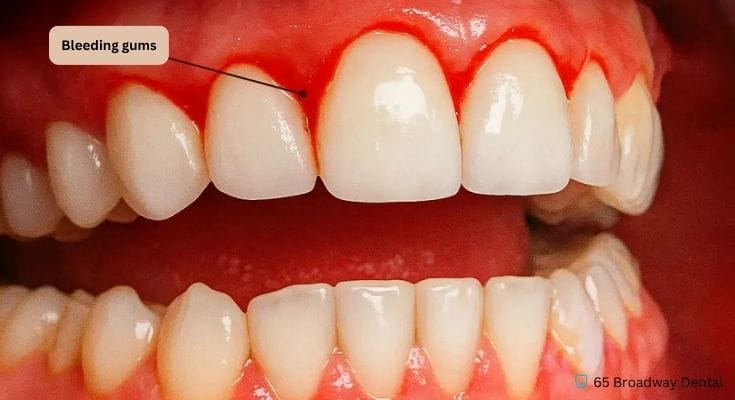
9 Causes of Bleeding Gums (Besides Gum Disease)
Discover 9 common causes of bleeding gums besides gum disease. Learn what triggers it and how to protect your oral health with simple solutions.
Read More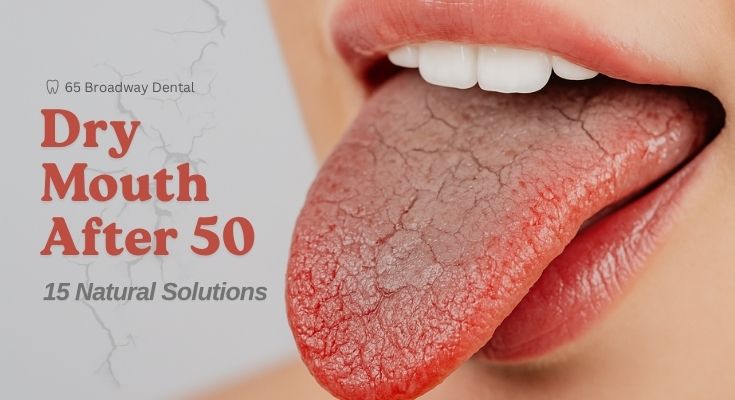
Dry Mouth After 50: Why it Happens & 15 Natural Solutions
Dry mouth after 50 is common due to aging, medications, or health issues. Learn why it happens and discover 15 natural remedies for lasting relief.
Read More