
How to Stop Grinding Teeth at Night: 10 Ways That Actually Work


The question is, why do you always wake up sore in the jaw or with a headache, and ask yourself why it’s happening again? Well… maybe you are grinding your teeth at night. It is a fanciful name, bruxism, yet, to tell the truth, it is even more terrifying than it is spelled. The majority of us do it somewhere along the way, and the great thing? And there are numerous ways to prevent teeth grinding and take care of your smile.
Here, we are going to run through 10 easy, not complicated methods that can assist you in relaxing your jaw at night, in addition to some easy tips to save your teeth. Oh, and by the way, this is not a substitute for visiting a dentist. When the pain or grinding in your jaw continues to occur, it is always a good idea to visit a professional.
10 Simple Ways to Stop Grinding Teeth at Night
Grinding your teeth at night can make your jaw sore and cause headaches. The good news is, there are simple steps you can take to stop teeth grinding and protect your smile. Here are 10 easy ways that actually help.
1. Chill Out and Reduce Stress
The reason why people grind their teeth at night is stress. Frankly, your face may get so tight that you can hardly notice it, particularly when you are thinking like a fiend before going to sleep. I understand the irritability of that. It is the worst to wake up and have a sore jaw.
The following are some easy measures to relax yourself and take the jaw off:
- Take a few deep breaths before bed. Seriously, just a couple of minutes can make a difference.
- Attempt a few light stretches or yoga, not much, just to help you get the strain out of your day.
- Note down in a journal. It can be a good thing to have your concerns on paper to actually relax your mind. I do it occasionally, and miracles are wrought.
Even simple measures such as these will help stretch your jaw open and bring on less grinding at night. Oh, and by the way, in case of real or chronic stress, even the conversation with a professional will help; it is not only about relaxation exercises.
2. Make Your Sleep Routine Better
And in some cases, you may be grinding your teeth as a result of your sleeping schedule being all over the place. I understand that life is hectic and there are moments when it is impossible to maintain a routine. However, even minor adjustments will aid your jaw in relaxing at night.
Here’s what you can try:
- Go to bed and wake up around the same time every day. Yes, even on weekends. Your body loves routine, and it actually makes a difference.
- Keep your room dark, quiet, and cool. Think of it like making your bedroom a mini sleep oasis.
- Avoid screens, caffeine, or heavy meals an hour or two before bed. Your brain needs to wind down, and too much stimulation can make your jaw clench while you sleep.
Less teeth grinding = better sleep = less jaw tension. Frankly speaking, it can do with a few changes in your bedtime habits.
Oh, and by the way, in case you have done all this, and you still wake up with jaw pain, then it is worth consulting a dentist or sleep expert; there may be something more involved, such as sleep apnea, which you would not notice by yourself.
3. Use a Mouthguard (Your Teeth’s Best Friend)
A mouthguard is armor for your teeth; it prevents your teeth from rubbing each other during sleep and also allows your jaw to have some rest. If your teeth have worn down over time, cosmetic options like veneers or bonding can also help restore your smile safely.
No one-size-fits-all type of guards are better than custom-fitted ones made by a dentist, as they fit on your teeth and do not harm them. Even those that you can purchase in the stores can assist to a certain extent if you are new.
It may seem awkward at the beginning, as though you were putting on new shoes, but your teeth and jaw will be glad in the long run. Frankly speaking, when it is unpleasant, discuss it with your dentist; he/she will be able to adjust it to fit perfectly and feel more natural.
4. Stretch and Exercise Your Jaw
Your jaw can tighten like any other muscle, and a few exercises can change a lot. Attempt to open your mouth slowly, keeping it a couple of seconds and put it back, do the same thing ten times. Another thing to do before bed is to massage your jaw; it is nice and does the trick of loosening the muscles.
This is a bit of an odd yet clever trick to do: stick your tongue between your teeth for a minute. It is ridiculous to say the least, and in fact it makes your jaw drop. Frankly speaking, these little exercises might be done within a few minutes and leave your jaw much less tense and even make you grind out less at night.
5. Skip Alcohol and Caffeine Before Bed
Caffeine products such as coffee, tea, energy beverages, and alcohol may be part of the normal routine in the evenings, but they may, in fact, cause your muscles to be tensed and your teeth to grind as you sleep. Even a cup of coffee when you are late in the day can tighten your jaw more than normal without even noticing that.
Alcohol may seem like a relaxing drug in the beginning, but it will interfere with your sleeping patterns and cause your jaw to constrict more at night, weird, right? I understand that it is so tempting to drink or keep you up with a soda, but attempting to get rid of them in the evening can help your jaw to have an opportunity to rest.
Water is here, your good friend. Consuming sufficient water prevents your muscles from tightening and makes your entire body relax on its own. You can even turn it into a kind of ritual, a warm glass of water or herbal tea (no caffeine, of course) before sleep to tell your brain that it is time to sleep.
Frankly speaking, doing away with caffeine and alcohol may not be much, yet it will help you notice that your jaw is less tense in the morning, and it is one of the simplest steps to start preventing night teeth grinding.
6. Check Your Teeth Alignment
There are times when teeth simply do not fit into position, and your jaw overworks, and you do not even notice it. With biting that is not exactly correct, your muscles must compensate, and as a result, you grind your teeth at night.
Even minor issues with crooked teeth or the problem of the tooth bite can be identified during a brief visit to a dentist or a dental specialist. Learning about common dental conditions can help you understand what might be causing your jaw to overwork at night.
The solution to the problem is not necessarily braces or major surgery; even little things, such as the reshaping of a tooth or a special guard, can relieve the pressure on your jaw and decrease the level of grinding. Well, even minor adjustments will be felt in the mornings, and your lips will be glad in the afternoons when you do not feel stiff or sore.
7. Look at Your Medications
In some cases, it may be sneaky to determine the medicines you take that make you grind your teeth. Some antidepressants and some other prescriptions will cause your jaw to tighten at night, and you are not even aware of it. When you find yourself grinding more often since you are taking a new drug, do not panic, but you should discuss the problem with your physician; they can assist in determining whether it is the cause and find a solution to the problem.
And incidentally, do not yourself discontinue your medicine, even when you think it is doing you ill. Never forget to seek advice from a professional. Frankly speaking, being mindful of the effect of your drugs on your body can be a simple yet effective measure towards nighttime teeth grinding reduction.
8. Relax Before Bed
It is also helpful to do some calming, relaxing things before bed, and get your jaw to relax as well. Even minor practices can help. You could take a warm bath or shower in order to relax your muscles. You can also indicate to your brain that it is time to relax by listening to soft music or nature sounds. Progressive muscle relaxation is another process that works effectively, whereby you contract the parts of your body (feet) up to the shoulders and jaw, and then gradually relax them.
Frankly speaking, you can achieve much by simply spending 10-15 minutes on these basic practices and feel how relaxed your jaw can become, and it can also help you to stop teeth grinding at night. It is incredible that simple steps like this can help to relax your sleep.
9. Consider Vitamins or Supplements
Sometimes your jaw muscles get tense because your body is missing a few important nutrients. For example, magnesium can help muscles relax, and vitamin D supports healthy muscle and nerve function, which can make a difference if you tend to grind your teeth at night.
That said, don’t just start taking supplements on your own; it’s always best to check with a doctor first. You don’t want to take too much or the wrong type. Honestly, just knowing your body has the nutrients it needs can go a long way toward keeping your jaw relaxed and helping prevent nighttime teeth grinding.
10. Ask a Professional for Help
If you’ve tried a bunch of things and your jaw still hurts, or you keep grinding your teeth at night, it’s definitely a good idea to see a dentist or doctor. They can figure out what’s really going on and suggest the best solution for you. For example, dental guards or splints can protect your teeth from damage, and in more serious cases, Botox can help calm overactive jaw muscles. If stress is the main reason, therapy or counseling can teach you ways to relax and manage it better.
Sometimes, a sleep study is needed to spot hidden issues like sleep apnea that might be making your jaw tense without you realizing it. Honestly, getting help early can save your teeth, ease jaw pain, and stop headaches before they turn into bigger problems.
Extra Tips That Actually Work
- Avoid chewing gum too much: Chewing gum might seem harmless, but doing it all day can actually tire out your jaw muscles. A tired jaw is more likely to clench or grind at night. So, if you love gum, try to limit it and give your jaw some rest during the day.
- Drink plenty of water: Staying hydrated isn’t just good for your body in general; it helps your muscles stay relaxed, too. Dehydration can make muscles cramp or feel tense, including your jaw. So keep a water bottle nearby and sip throughout the day; it really helps.
- Keep your teeth slightly apart during the day: When you’re not chewing, talking, or swallowing, try to rest your jaw naturally by letting your teeth stay slightly apart. It might feel weird at first, but it’s a tiny habit that tells your jaw muscles to relax and can reduce the tension that builds up by nighttime.
- Take little breaks for your jaw: If you spend a lot of time talking, eating, or even smiling (yes, it counts!), give your jaw a few moments to unclench. Close your eyes, take a deep breath, and gently massage your jaw for a few seconds. Little pauses like this add up over the day.
- Use heat or gentle massage when needed: If your jaw feels tight, a warm compress or rubbing the muscles gently can really help. Heat increases blood flow and relaxes the muscles, which can make nighttime grinding less likely.
- Notice your habits during the day: Sometimes we clench our jaw without realizing it, like while working on the computer or stressed. Being mindful of how your jaw feels during the day can help you catch tension early and ease it before it turns into grinding at night.
Care at 65 Broadway Dental
At our clinic, we help you protect your teeth and jaw from nighttime grinding. Our team focuses on simple, effective steps to relax your jaw, reduce pain, and prevent long-term damage. We create a plan that fits your habits and comfort, so you can wake up feeling refreshed and keep your smile healthy.
Conclusion
Grinding your teeth at night is annoying. And yeah, it can hurt.
But here’s the good part: You don’t have to live with it forever.
Small things really help. Stuff like relaxing before bed, drinking enough water, or gently stretching your jaw. Even tiny changes matter. Plus, keeping up with regular dental cleanings helps your teeth stay strong and healthy while preventing extra strain on your jaw. For example, skipping coffee at night or keeping your teeth slightly apart during the day. Sounds simple, but it works for many people.
The trick is to notice what your body is doing and stay consistent. Try a few tips. Give them time. And if the pain or grinding doesn’t stop, that’s okay. It’s smart to talk to a dentist or doctor. You can check out the signs you need a dental checkup to see if it’s time to make an appointment.
With the right steps, mornings feel better. Your teeth stay safe. And those jaw aches or headaches? They can slowly fade away. Remember, taking care of your teeth isn’t just about your smile; it also impacts your overall health.
FAQs
1. What makes people grind their teeth at night?
There isn’t just one reason.
Most of the time, it’s stress or worry. But it can also happen because of:
- Poor sleep
- Certain medicines
- Crooked or uneven teeth
- Low levels of vitamins like magnesium or vitamin D
Yeah, it’s usually a mix of things.
2. How can I tell if I grind my teeth while sleeping?
You might notice:
- Jaw pain when you wake up
- Morning headaches
- Teeth that look worn down
- A clicking sound in your jaw
Sometimes, someone else hears it before you do. If you’re unsure, a dentist can spot the signs pretty fast.
3. Can stress really cause teeth grinding?
Yes. Big time.
When you’re stressed, your body stays tense, even when you sleep. Your jaw tightens without you noticing. Learning to calm down before bed can really help here.
4. Do mouthguards actually help?
Yes, they do.
A custom mouthguard from a dentist works best. But even store-bought ones can help. They stop your teeth from rubbing together and give your jaw some rest.
5. Can medicines cause teeth grinding?
They can.
Some medicines, like certain antidepressants, may cause jaw clenching. If you notice grinding after starting a new medicine, don’t stop it on your own. Just talk to your doctor.
6. Can vitamins help with teeth grinding?
Sometimes, yes.
Magnesium helps relax muscles. Vitamin D helps nerves and muscles work better. But always check with a doctor before taking supplements. Better safe than sorry.
7. Does coffee or alcohol make grinding worse?
Honestly? Yes.
Coffee, tea, energy drinks, and alcohol can make your muscles tense. Try cutting them out in the evening and see how your jaw feels.
8. What if none of the simple tips work?
Then it’s time to get help, and that’s totally okay.
A dentist or doctor might suggest:
- A better mouthguard
- Stress therapy
- Sleep tests
- In rare cases, treatments to relax jaw muscles
You’re not overreacting. You’re taking care of yourself.

Dr. Alexander Heifitz (Author)
Dr. Alexander Heifitz is the founder of 65 Broadway Dental in NYC, where he combines advanced dental expertise with a patient-first approach. He specializes in cosmetic and restorative treatments such as dental implants, veneers, Invisalign, and smile makeovers, helping New Yorkers achieve both oral health and confidence.

Booking An Appointment
Looking for a reliable dentist in Downtown NYC? Whether you need a routine cleaning, urgent care, or a full smile transformation — we’ve got you covered. We accept most PPO insurance plans and offer flexible scheduling.
+1 (212) 430-3888
Call for appointment
Walk-ins Welcome / Same-Day Appointments Available

Related Blogs

How to Stop Grinding Teeth at Night: 10 Ways That Actually Work
Discover 10 effective ways to stop grinding your teeth at night. Protect your enamel, reduce jaw pain, and sleep better with these simple tips.
Read More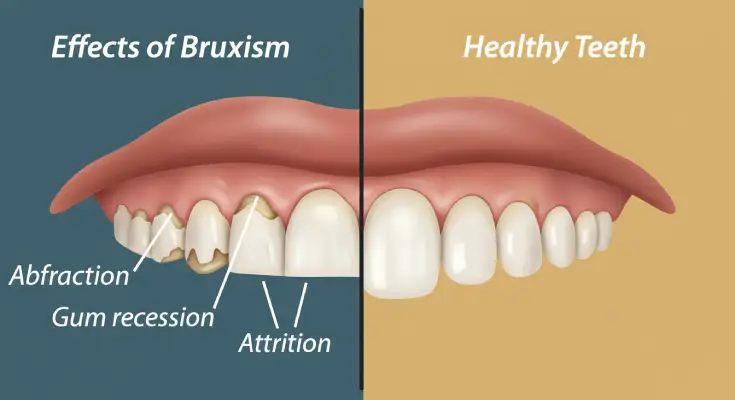
Teeth Grinding (Bruxism): Causes, Effects & Treatment Solutions
Learn what causes teeth grinding, how it affects your teeth and jaw, and the simple treatment options that can help relieve pain.
Read More