
What Causes Swollen or Inflamed Taste Buds?


Taste buds are the thousands of minute projections on the tongue’s surface. While they go unnoticed in daily life, swollen or inflamed taste buds can’t be ignored!
The pain, burning, and redness that accompany swollen taste buds are inconvenient, to say the least! It causes you to lose focus, temporarily give up hot coffee, and interfere with your eating. The good news is it will be over in a week (at most).
Yet, you’re unsure why it even happens and even more uncertain how to treat inflamed taste buds!
You may think it’s your oral hygiene or brushing technique, but so many more causes exist. This blog clears every doubt and explores the reasons for inflamed taste buds.
1. Poor Oral Hygiene
Oral hygiene is a necessity; failure to uphold the best practices comes with repercussions. Not brushing or flossing frequently enough can lead to bigger problems.
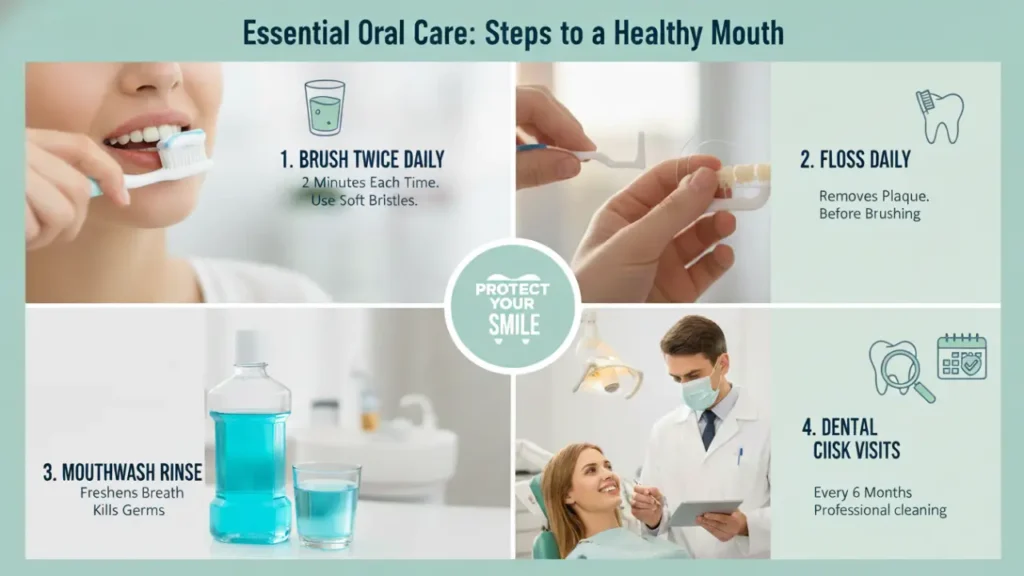
Did you know that cleaning your tongue every morning is one of the 12 Small Changes That Prevent Big Dental Problems?
One such problem is that of swollen taste buds. Brushing helps to thwart the effects of harmful bacteria. But when it’s absent, the bacteria are free to infect the tongue, potentially causing swollen taste buds.
That said, the bacteria can cause negative effects as their populations continue to grow. This shows why skipping your dental routine for more than a day is dangerous!
If you’re unsure what good oral hygiene looks like, check our 9-Step Morning Tune-Up for Healthy Gums and Teeth.
2. Smoking
Smoking and using other tobacco products can be injurious to health. But there usually isn’t a warning about the potential risks it has to the tongue.
Besides causing oral cancers, smoking can also slow the healing of oral sores and cause inflamed taste buds. If you continue smoking while you have this condition, they won’t heal fast.
Smoking is one of the causes of bleeding gums (besides gum disease) in adults. Hence, dental healthcare experts suggest that most smokers quit permanently for better health. Quitting smoking also saves your teeth from discoloring and losing their shine.
3. Burning Your Tongue
Have you ever been in a rush to eat or drink something very hot? You probably have, everyone has, and we know what it’s like to burn your tongue. Hot tea or coffee, broth, soup, or an item that’s just come out of hot oil are the main culprits.
It’s an instant burning sensation that goes numb and then starts hurting again. The healing process is painful and seems to take longer due to the sensitive, swollen, and inflamed taste buds.
While it heals, you’ll experience heightened sensitivity and a dimmed sense of taste. This ought to remind you to let your food or drinks cool before consumption.
4. Dry Mouth
Severe dry mouth is medically called xerostomia. It’s a condition where the salivary glands don’t produce enough saliva.
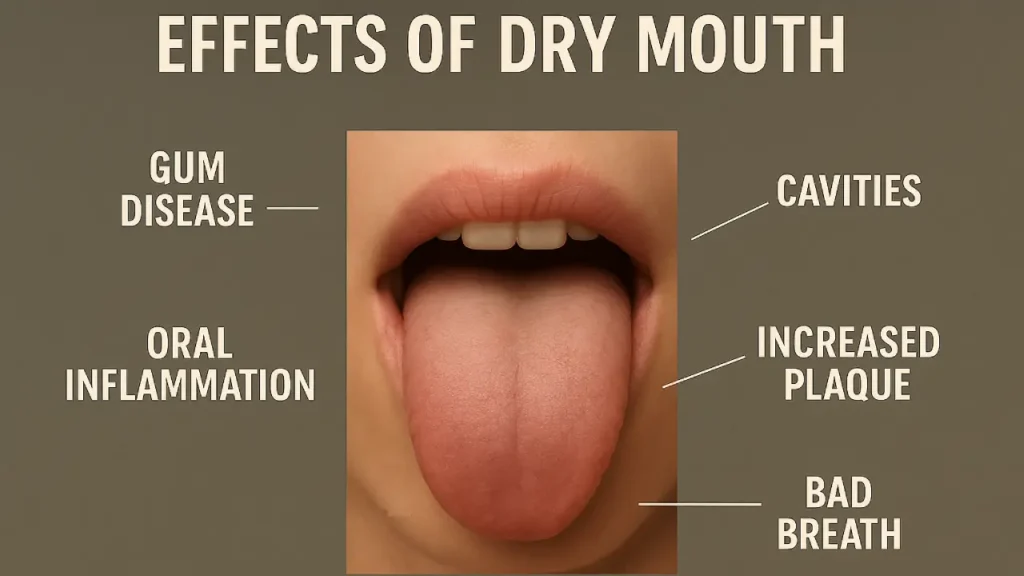
Dentists warn that this condition has multiple effects on oral health, including:
- Gum disease
- Cavities
- Oral inflammation
If there isn’t enough saliva, bacteria could flourish. This creates a layer of overgrowth on the tongue, leading to damaged and inflamed taste buds.
Saliva constantly rinses the mouth, killing bacteria and preventing conditions that favor their growth.
Seniors are more prone to dry mouth, and these 15 natural solutions for dry mouth after 50 can help.
5. Oral Injury or Trauma
Sometimes you accidentally bite your tongue and are unfortunate enough to cause damage. Or you get injured while eating tricky food like shellfish or peanut brittle.
Both instances damage the tongue through a cut or a prick. But it doesn’t matter how you injured your tongue; the outcome is inflamed taste buds.
It could take longer for taste buds to heal when a wound is the cause. The wound has to heal, and then the taste buds will increase recovery.
6. Certain Foods (Spicy/Acidic Foods)
Certain foods with unique taste profiles can inflame the mouth. However, if you look closely, they can do much more damage than cause huffing and puffing.
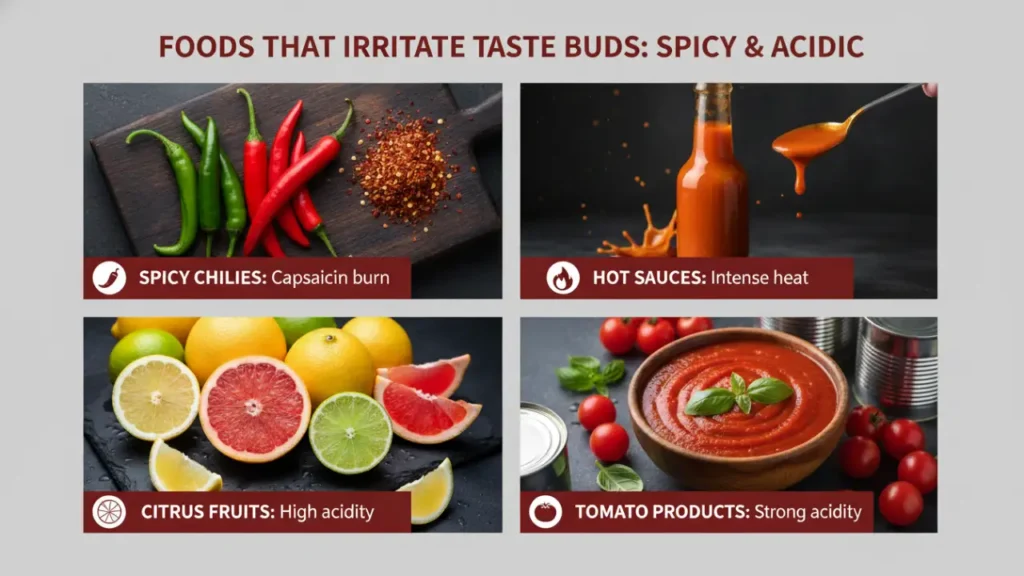
Extremely spicy and acidic foods can inflame the tongue’s papillae, causing swollen taste buds. The result is pain, a color change, and decreased ability to taste normally.
These foods contain chillies, peppers, citrus, or acidic compounds like vinegar. In some cases, frequent consumption of these foods doesn’t give the tongue enough time to heal.
If you’re conscious of what you eat and love your teeth, check the Best and Worst Foods for Better Teeth.
7. GERD (Chronic Acid Reflux)
Acid reflux is another reason why you could be nursing swollen or inflamed taste buds. In this case, acid comes back up into the stomach. It either goes into the esophagus or directly into the mouth.
GERD isn’t a disease, but it can occur more commonly in some people than others.
Symptoms of GERD may occur:
- At night, when lying down to sleep
- After eating a meal rich in fats
- Immediately after smoking or consuming alcohol
- After bending over
GERD treatment is possible with lifestyle and dietary changes, and doctors recommend this approach. However, for severe GERD, they may prescribe medications or turn to surgery.
8. Allergic Reactions
Some people experience swollen or inflamed taste buds during an allergic reaction. Certain chemicals from foods or medications can trigger this response.
It’s not uncommon for the tongue to be the first sign of an allergic response. People allergic to nuts, soy, gluten, shellfish, or fish can experience a swollen tongue. It could be because the tongue is a sensitive organ covered by thousands of sense receptors.
So, it’s not uncommon for the tongue to experience the negative effects of an allergic reaction.
Besides the possibility of swollen bumps, other evidence of an allergic reaction on the tongue is:
- Swelling or slightly puffy appearance
- Redness or lumpiness
- Tingling or prickling sensation
- Urge to scratch the tongue (itchiness)
- Burning sensation
- Pain and difficulty eating
9. Broken or Ill-Fitting Dental Appliances
People who wear dental appliances are at a higher risk of developing this condition. Metal and ceramic braces and dentures that are displaced and fit poorly can cause it.
These hard, uncomfortable appliances can constantly rub against the tongue to cause physical trauma.
If this friction continues for too long, it can cause inflammation. This is characterized by redness, swelling, and a raw appearance. Over time, it can worsen if left untreated by a professional dentist.
10. Oral Cancer
Although it’s not commonly the reason behind swollen taste buds, it’s possible. Oral cancer can present as large bumps on the tongue. They can easily bleed if disturbed and appear on the side of the tongue.
Just like regular inflamed taste buds, they are painful and make eating and drinking difficult. Oral cancers are more likely to occur in heavy drinkers and smokers.
Conclusion
Just like any part of the body, the taste buds aren’t immune to swelling and inflammation. The emergence of swollen/inflamed taste buds is difficult, causing pain and interfering with eating and lifestyle habits.
Because it heals on its own in a few days to a week, it isn’t too concerning. Knowing what causes it can help you prevent it from happening again.
Causes include poor oral hygiene, smoking, burning your tongue, dry mouth, acid reflux, allergies, certain foods, and dental appliances that don’t fit well.
FAQs
1. What medical conditions affect the taste buds?
Medical conditions that affect the taste buds are Alzheimer’s, Parkinson’s, diabetes, AIDS, Sjogren’s syndrome, Bell’s palsy, COVID, and other infections.
2. When should I worry about swollen taste buds?
You should only worry if the symptoms start to affect your eating habits and your quality of life.
3. How do papillae become inflamed?
The papillae of the tongue can become inflamed for numerous reasons. Infections, smoking, dry mouth, foods, GERD, dental appliances, and allergies are the reasons.
4. What do infected taste buds look like?
In most cases, they appear as red or white spots, swollen, fluid-filled, and in worst cases, bleeding.
5. How can I ease the symptoms of inflamed taste buds?
Soothing swollen taste buds is possible by avoiding certain foods, preventing contact with the areas, and eating mild, soft foods.
6. How are swollen taste buds diagnosed?
This condition is usually diagnosed with an oral examination. However, it resolves on its own, and you may not need to see an expert unless symptoms stay for longer than two weeks.

Dr. Alexander Heifitz (Author)
Dr. Alexander Heifitz is the founder of 65 Broadway Dental in NYC, where he combines advanced dental expertise with a patient-first approach. He specializes in cosmetic and restorative treatments such as dental implants, veneers, Invisalign, and smile makeovers, helping New Yorkers achieve both oral health and confidence.

Booking An Appointment
Looking for a reliable dentist in Downtown NYC? Whether you need a routine cleaning, urgent care, or a full smile transformation — we’ve got you covered. We accept most PPO insurance plans and offer flexible scheduling.
+1 (212) 430-3888
Call for appointment
Walk-ins Welcome / Same-Day Appointments Available

Related Blogs
Same Day Dental Implants in NYC: Pros, Cons & Cost
Get a brand-new smile in just one visit. Explore the pros, cons, and real costs of same day dental implants in NYC, and find out if they're right for you.
Read More
In-Office vs At-Home Teeth Whitening in NYC
Discover the best teeth whitening in NYC as we compare in-office and at-home options for a brighter, more confident smile.
Read More