
How to Treat Inflamed Taste Buds Fast (10+ Home Remedies That Work)


Have you ever burned your tongue on piping hot coffee or tea, or bit into a fried snack too soon? Yes, everyone knows the pain, burning sensation, and swelling that come with rushing to eat or drink hot items. What you may not know is how to treat inflamed taste buds.
Even better, you don’t have to go to a doctor for treatment! You can do it from home. Basic remedies like salt, ice, dental care, and diet can act as treatment.
Want to learn about home-based treatments for swollen or inflamed taste buds? This blog explains how to treat inflamed taste buds using 10+ home remedies.
11 Ways to Treat Inflamed Taste Buds
You don’t need a specialist dentist consultation, because these 11 solutions help to relieve the symptoms of inflamed taste buds.
1. Saltwater Rinse
A home-made saltwater solution is effective in soothing gum and tongue issues. Making the moisture is simple, requiring just two ingredients that everyone has.

Half a teaspoon of salt in a glass of warm water can make a difference. Make sure to hold the solution in your mouth for long enough, and gargle with it as well.
Salt is highly effective against oral issues because of its antimicrobial properties. It neutralises acids and stops microbial development in the mouth.
Another appealing quality of saltwater rinses is their anti-inflammatory properties. If enlarged taste buds are red, swollen, and irritated, a saltwater rinse will provide relief.
A saltwater rinse is one way to relieve bleeding gums. Learn about the causes of bleeding gums (besides gum disease).
2. Adjust Your Diet
People who aren’t sure how to treat inflamed taste buds may continue to eat what they shouldn’t. However, it should be obvious that you won’t be able to eat what you could.

Hard foods will have to be swapped out for soft foods. Spicy foods will need to be replaced by mild foods. Lukewarm foods will have to be eaten instead of hot foods.
It’s a temporary sacrifice, and following it will be beneficial to healing.
Avoid eating spicy foods containing peppers, chillies, and sauces. Capsaicin is a compound found in chilli peppers that interacts with the pain receptors.
Steering clear of this compound is advised while nursing swollen taste buds.
3. Treating Underlying Health Conditions
Underlying health conditions such as Diabetes, GERD (chronic acid reflux), and Sjögren’s syndrome can worsen damage to your taste buds.
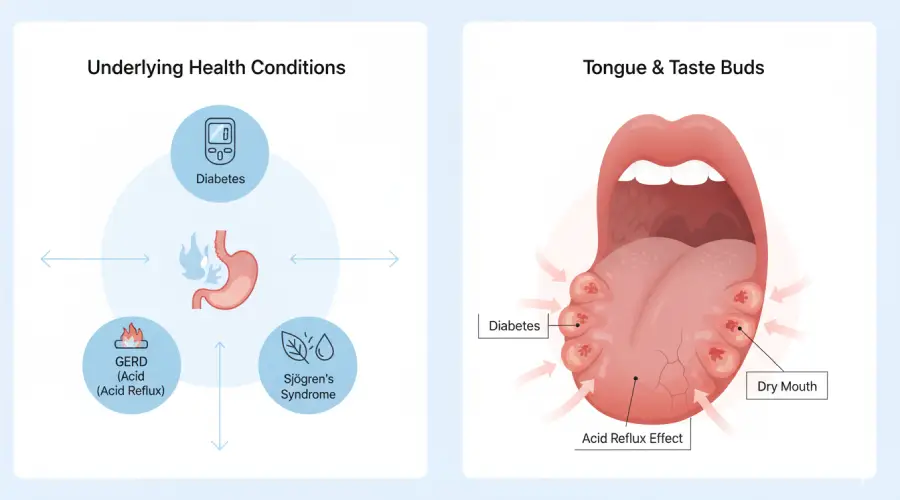
Diabetes and Sjogren’s syndrome can lead to dry mouth. It’s one of the causes of swollen taste buds. Leaving these conditions untreated can increase the risk of getting inflamed or swollen taste buds.
Chronic acid reflux causes stomach acid to wash back into the mouth, burning and damaging sensitive taste buds. Managing these health conditions is critical to maintaining a healthy tongue and taste buds.
4. Good Oral Hygiene
When anything goes wrong in the mouth, it’s natural for some people to stop caring about dental hygiene. However, this is far from what should actually happen!
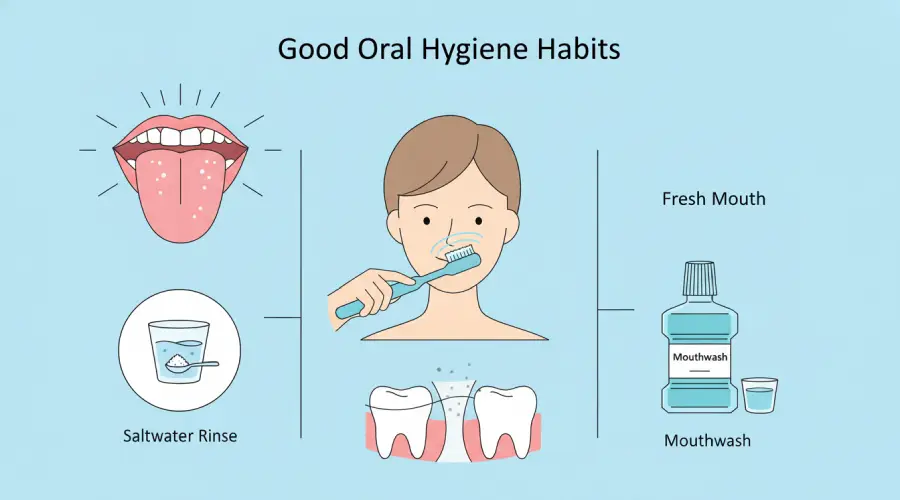
Maintaining your oral hygiene is actually crucial to recovery. Sticking to your brushing and flossing routine is critical for several reasons. Not only does it help with swollen taste buds, but it also prevents plaque build-up and decay.
Good oral practices don’t end at brushing twice a day. Flossing at least once a day and backing it up with mouthwash or a saltwater rinse is also essential.
If you’re looking to revamp your dental care process, check out these 8 steps to perfect your brushing technique.
5. Hydration
If you’ve researched how to treat inflamed taste buds, you’ll know hydration is key. Drinking water throughout the day has countless benefits. The most obvious one is keeping the mouth moist.
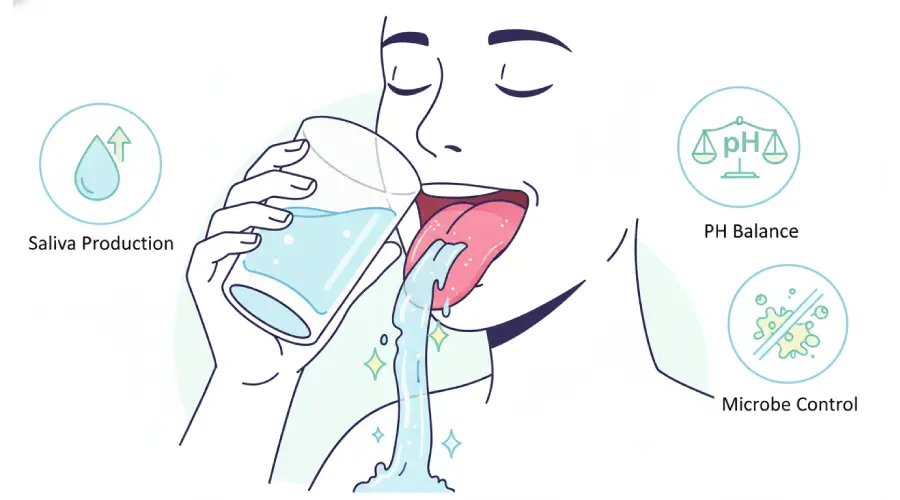
Besides that, regular drinking can:
- Wash away food debris
- Neutralize the pH of the mouth
- Stimulate enhanced saliva production
- Help control microbial populations
Stimulating saliva production and flow helps the tongue papillae heal. Given the benefits, reducing hydration during swollen taste buds can be harmful.
Doing so can create unwanted problems in the mouth and compromise your teeth.
6. Tongue Cleaning
Another element of oral care that matters yet is forgotten is often the tongue. Cleaning the tongue is essential and shouldn’t be ignored.
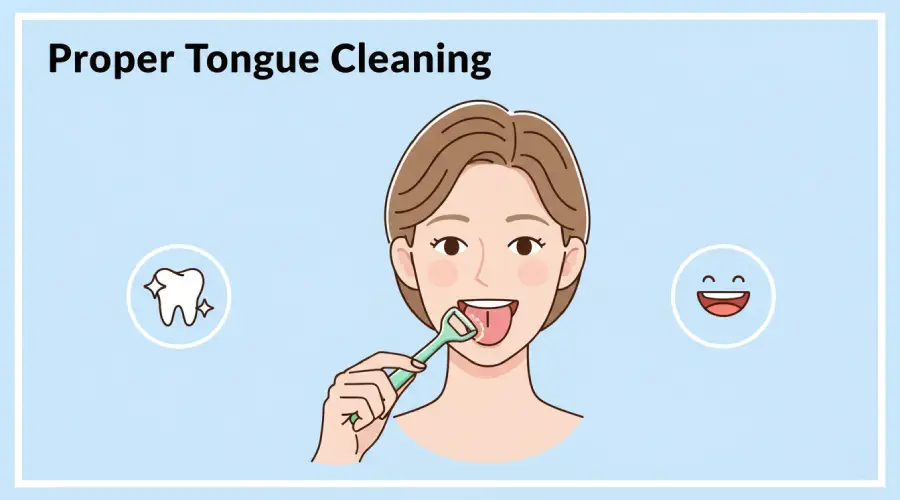
There’s a special tongue-scraping tool that’s available just for this purpose. If you don’t have one, most toothbrushes have a textured back on the toothbrush head. If it doesn’t, you can always use the toothbrush’s bristles to clean your tongue.
This helps to remove the thin yellow layer of microbial growth that develops on the tongue overnight.
Of course, while suffering from inflamed and enlarged taste buds, cleaning gets tougher. You’ll want to be very gentle and exercise caution while cleaning your tongue at this time.
Don’t think tongue cleaning is relevant? Discover the truth in this: Ask a Dentist: 50 Must-Know Answers About Teeth and Gums.
7. Treat Your Allergies
If you’re experiencing unexplained additional symptoms, it may be more than damaged taste buds. These symptoms can include:
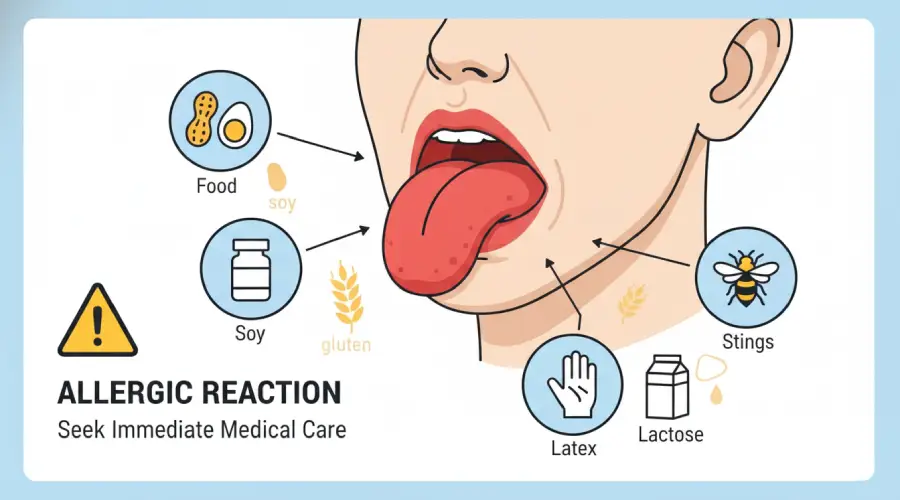
- Tongue puffiness
- Severe redness
- Burning sensation
- Loss of taste
- Difficulty breathing
- Swelling that extends throughout the tongue
If these symptoms occur, then there is a high chance that it’s an allergy. Allergies can be dangerous because severe swelling can obstruct the airway. If this happens, it could lead to anaphylaxis, a life-threatening allergic reaction.
Allergic reactions like these could be caused by:
- Certain food items (soy, eggs, gluten, nuts, lactose)
- Medications
- Insect stings or snake bites
- Exposure to latex
As someone with many allergies, you’ve probably searched for how to treat inflamed taste buds on the internet, potentially for life-saving purposes.
8. Use Ice (With Caution)
Ice is known to help numb sensitive areas in the mouth. However, some caution is necessary when using ice when you have injured taste buds.

Tough and cold items like ice can make the situation worse. If heightened sensitivity is a symptom, you could be in for more pain.
Instead, consider other forms of ice, such as ice cream, sorbet, slush, or an ice-cold beverage. While this is a treatment, relief may only last as long as you consume the edible containing ice.
9. Temporarily Stop Hot Beverages!
You may have injured your taste buds by burning them on a hot beverage. If you love your hot coffee and get burnt regularly, you must know the basics of how to treat inflamed taste buds to avoid repeated irritation.
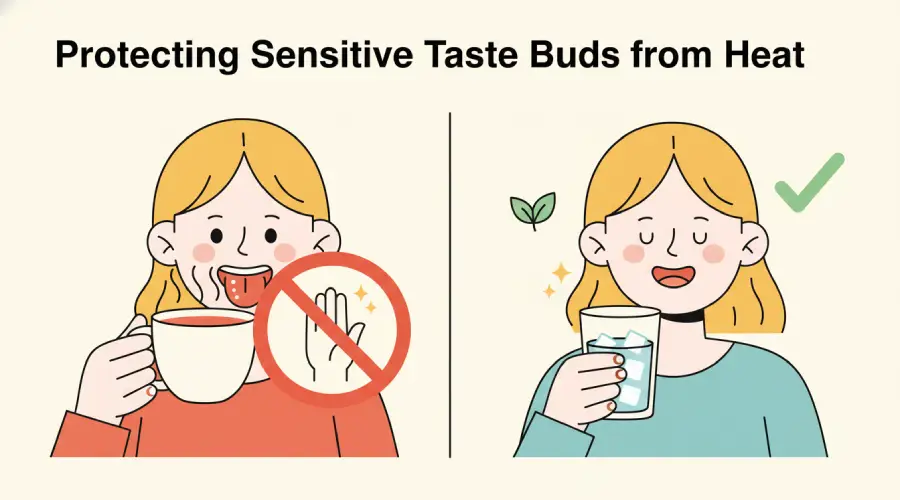
So, during the few days it will take to heal, it’s advisable to halt your hot beverages. Giving your tongue a break can help to provide relief and accelerate healing.
Of course, you can still have your favorite beverage if you’ll still it at a moderate temperature. Unfortunately, some people don’t enjoy their coffee unless it’s piping hot!
10. Use Doctor-Recommended Medications
Prescribed medications are relatively quick pain relievers when suffering from inflamed taste buds.

The following medicines can help treat swollen or inflamed taste buds:
- Antacids
- Ibuprofen
- H2-receptor blockers or Proton-pump inhibitors
- Topic pain relievers
- Antibiotics, Antivirals, Antifungals
To ensure safe usage, it’s advisable to seek expert guidance before buying over-the-counter medicines.
11. Lifestyle Changes
Your injured taste buds could be a cause for concern if you have been engaging in negative lifestyle habits. Overindulging in alcohol and smoking tobacco can worsen the damage. One thing is for sure: it will slow down healing.
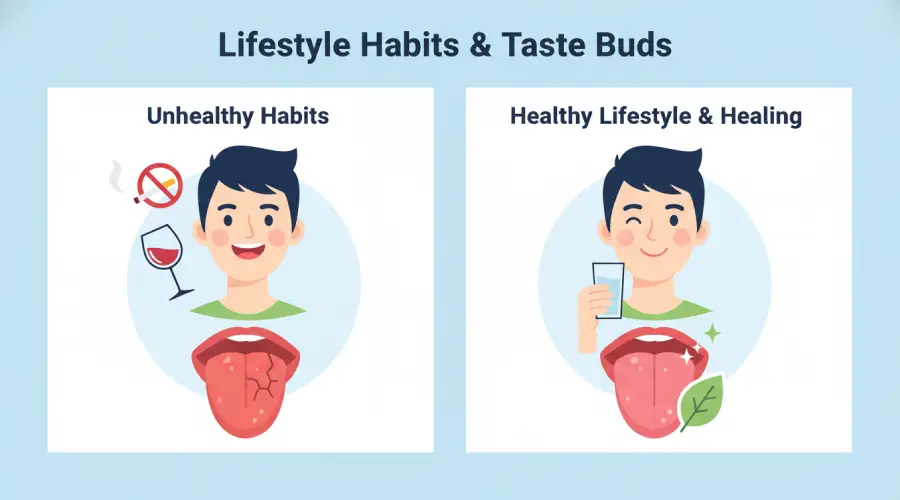
When experiencing the symptoms of injured taste buds, it’s wise to stop certain lifestyle habits. These include smoking and drinking alcohol. You’ll notice the difference when you stop! Healing will speed up, and the inflammation won’t flare up.
Why You Can Treat But Can’t Heal Inflamed Taste Buds
Swollen or inflamed taste buds heal on their own. As a result, you shouldn’t look to heal them; rather, treat them.
Understanding how to treat inflamed taste buds helps to soothe the symptoms while the taste buds heal on their own. Also, pursuing treatment during healing can help limit the disruptions to your lifestyle.
Treating the damaged tongue papillae can also speed up recovery. This is a relief for people who face the issue quite regularly.
It’s also important to note that taste buds are replaced every 2 weeks. Stem cells in the tongue can undergo regular cell division. It enables them to regenerate a fresh layer of taste buds in 10 to 14 days.
This process ensures that your taste buds remain sharp and can adapt.
Conclusion
Understanding how to treat inflamed taste buds requires knowledge about how these microscopic structures on your tongue work. You don’t have to stress about healing them, as they heal on their own.
You can do something to ease the pain, though!
They include saltwater rinse, ice, diet adjustments, maintaining oral hygiene, hydration, allergy treatment, managing underlying health conditions, doctor-recommended medicines, and lifestyle changes.
FAQs
1. How long does taste bud inflammation last?
Normally, taste bud inflammation lasts a few days to a week. It shouldn’t take longer because the tongue papillae regenerate and shed every 10 to 14 days.
2. How do you soothe your taste buds?
Knowing how to treat inflamed taste buds is essential for soothing the symptoms. Immediate relief is achieved through iced drinks, a saltwater rinse, and medicines.
3. What helps tongue swelling go down?
If inquiring about how to provide immediate relief from tongue swelling, ice and the appropriate medication will work.
4. What foods irritate swollen taste buds
Acid, spicy, and hot foods can irritate the swollen taste buds.
5. When should I see a doctor about my taste buds?
Consult a healthcare professional if your taste buds are inflamed for more than 2 weeks.
6. What illness can affect your taste buds?
Viral infections like COVID and the common cold, Bell’s palsy, Parkinson’s disease, Alzheimer’s disease, hypothyroidism, diabetes, and nutrient deficiencies can affect your ability to taste normally.

Dr. Alexander Heifitz (Author)
Dr. Alexander Heifitz is the founder of 65 Broadway Dental in NYC, where he combines advanced dental expertise with a patient-first approach. He specializes in cosmetic and restorative treatments such as dental implants, veneers, Invisalign, and smile makeovers, helping New Yorkers achieve both oral health and confidence.

Booking An Appointment
Looking for a reliable dentist in Downtown NYC? Whether you need a routine cleaning, urgent care, or a full smile transformation — we’ve got you covered. We accept most PPO insurance plans and offer flexible scheduling.
+1 (212) 430-3888
Call for appointment
Walk-ins Welcome / Same-Day Appointments Available

Related Blogs

How to Treat Inflamed Taste Buds Fast (10+ Home Remedies That Work)
Relieve inflamed taste buds fast with easy home remedies like soothing pain, reducing swelling, and restoring your taste naturally and quickly!
Read More
What Causes Swollen or Inflamed Taste Buds?
Swollen or inflamed taste buds can be painful and annoying. Learn the 10 main causes, from poor oral hygiene to spicy foods and allergies.
Read More